

The Stillness That Speaks
Essay by Reiko Itabashi
The first time I encountered Elizabeth Sanjuan’s work, I felt as though I had returned to a Hokkaido I had never truly known. Her images do not simply document snow—they distill silence itself. With every frame, she invites us into a space where time seems suspended, where human presence dissolves into the stillness of landscape.

For those of us living in Japan, particularly in the bustle of Tokyo, the north is often mythologized. Hokkaido is not only remote but poetic, shaped in the collective imagination as a land of severity and softness. Elizabeth’s photographs enter that space with reverence, yet they transcend it with clarity. She is not merely a visitor enchanted by winter; she is a witness to its teachings.
What strikes me most is her sensitivity to nuance. The interplay of shadow on snow, the subtle gesture of a branch, the soft fracture of ice—these are not just visual elements but emotional ones. They speak of endurance, of quiet resilience, of a beauty that does not clamor for attention but waits to be found.


In Japanese, there is an onomatopoeia—shin-to—used to describe the kind of stillness that snow brings. It is the sound of silence itself, deep and profound. Elizabeth’s work embodies this shin-to quality: a silence so full that it resounds in the heart.

This sensitivity comes not only from her aesthetic eye but also from her lifelong dedication to protecting the natural world. Since childhood, Elizabeth has been an advocate for the environment. Her early memories of Earth Day, and her engagement with campaigns like Keep America Beautiful and Smokey Bear, planted seeds that have grown into a profound respect for the Earth’s fragile ecosystems. That same respect is evident in her photographs—not through overt messaging, but through reverent observation.


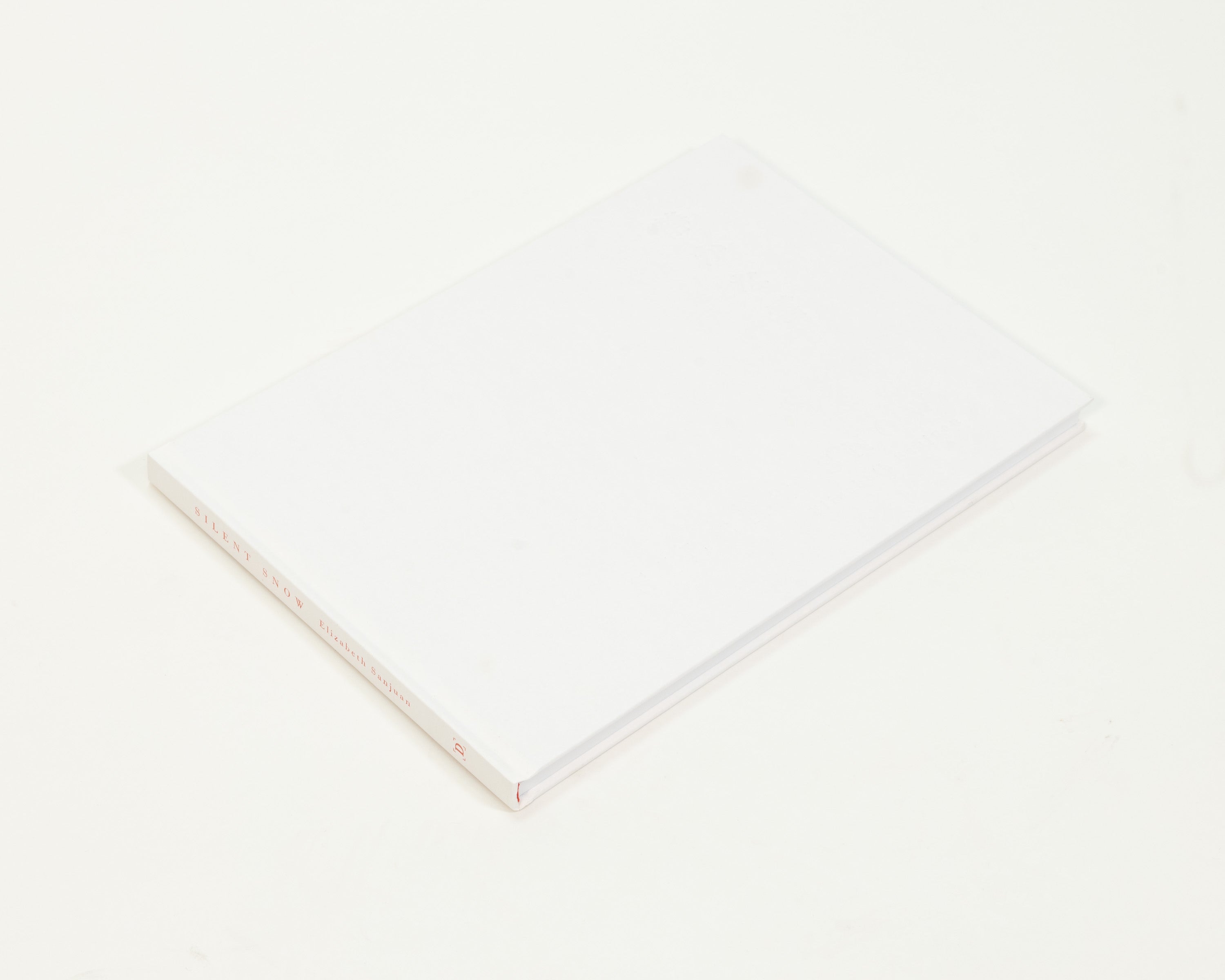
Silent Snow is more than a collection of images; it is a quiet call to awareness. By documenting Hokkaido’s serene winters with such care, Elizabeth reminds us of the delicate balance between nature’s resilience and its vulnerability. In her gaze, snow becomes not only a visual subject but a metaphor for the environmental stillness we risk losing.

In Japanese aesthetics, there is a concept called yūgen—the profound grace of things felt but not fully seen. Elizabeth’s work is filled with yūgen. It evokes a reverence akin to the Ainu worldview, where even snow carries spirit.
Silent Snow is a meditation, an offering, and above all, a reminder: that even in the harshest winters, there is wonder. And in that wonder, we find ourselves again—and perhaps, a renewed responsibility to protect what is most quiet, most essential, and most at risk.
Elizabeth Sanjuan
Elizabeth Sanjuan is a visual artist whose images examine the people, landscape, and man-made surroundings that define and shape our cultures and communities. Sanjuan reinforces the urgent need to protect the cultural an
Reiko Itabashi
Reiko Itabashi is a curator and artist living in Japan. While organizing large-scale installations in collaboration with artists and the launch of new cultural facilities, Itabashi also served as Assistant Producer for the TOKYO NODE exhibition Mika Ninagawa: Eternity in a Moment.
